
🌍 When the Waters Rose and the Snow Fell: A Country in Crisis
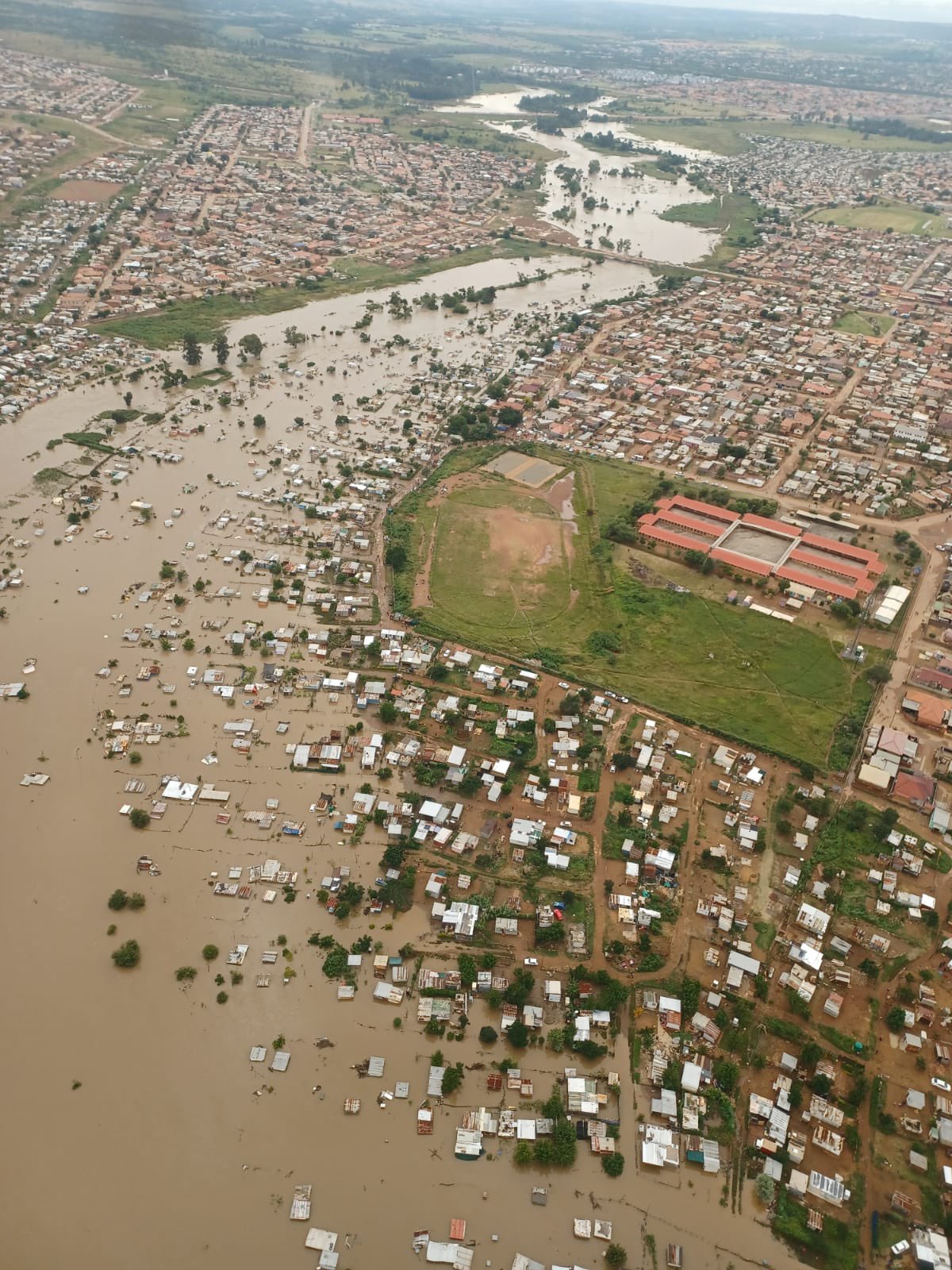
Over the past week, South Africa has faced a heartbreaking reminder of our climate vulnerability. A deadly mix of torrential rains, icy winds, and even snowfall left a trail of devastation across the Eastern Cape. As of mid-June, at least 90 lives have been lost, with 30 of them being children. These are not just numbers, they are family members, classmates, neighbours. And the crisis is far from over.
The unusual combination of flash floods and snowfall has upended thousands of lives. Rivers burst their banks, cars and buses were swept off roads, homes submerged, and key infrastructure - roads, schools, clinics - crippled under the force of water and mud. Among the most tragic incidents: a school bus was swept away, killing eight people, including six students. Survivors described clinging to trees for hours, waiting for rescue that came too late for many.
❄️ Snow in June?
While heavy rains are not new to the Eastern Cape, the surprise snowfall added an eerie layer to the disaster. High-altitude regions in both the Eastern Cape and KwaZulu-Natal were blanketed in snow, closing major roads like the N2 and disrupting emergency services. The combination of flooding and freezing conditions was a rare and dangerous cocktail, likely intensified by climate variability.
🚨 A Stretched Response System
Emergency services were unprepared. The province had only one helicopter capable of search-and-rescue operations, stationed 500 kilometers away. No specialist divers or K9 units were on standby. It’s not that warnings weren’t issued, the South African Weather Service had flagged the cold front and potential flooding in advance, but preparedness and response capabilities fell dramatically short.
President Cyril Ramaphosa visited the region and acknowledged these gaps, calling for greater national coordination. But as affected communities begin the slow process of recovery, many are asking: what comes next?
⚠️ This Is What the Climate Crisis Looks Like
These events aren’t isolated—they’re part of a growing global pattern of extreme weather fueled by climate change. Warmer temperatures lead to more moisture in the air, intensifying rainfall. Shifting jet streams and ocean currents can result in sudden cold snaps in unusual places. Scientists have been warning for years that these compound weather events—rain, snow, floods—will become more common. Now they’re here.
And it is the most vulnerable—rural communities, informal settlements, women and children—who suffer the most.
🛠️ Five Things the Government Must Do, and Do It Now!
South Africa needs more than thoughts and prayers, we need action,
Modernise weather communication,
Improve climate-proof infrastructure
Improve community resilience investments
Improve mainstream climate adaptation
South Africa is entering a new era, yet again, where old weather patterns no longer hold, and disaster risks escalate year by year. But we also have an opportunity: to rebuild better, to support those most affected, and to make justice, not just recovery, our goal.
This storm may have passed, but unless we act, the next one will hit harder.
Let’s remember the names. Let’s honor the lives lost. But most importantly, let’s ensure that our future doesn’t repeat this past.
#ClimateJusticeNow #EasternCapeFloods #JustTransition