
Oil, Power, and the Price of Delay: Why the World Cannot Afford Another Fossil-Fuel War
The world once again finds itself standing at the edge of a familiar and dangerous precipice. Rising geopolitical tensions, renewed militarism, and aggressive posturing around energy security are converging in ways that echo some of the darkest chapters of modern history.
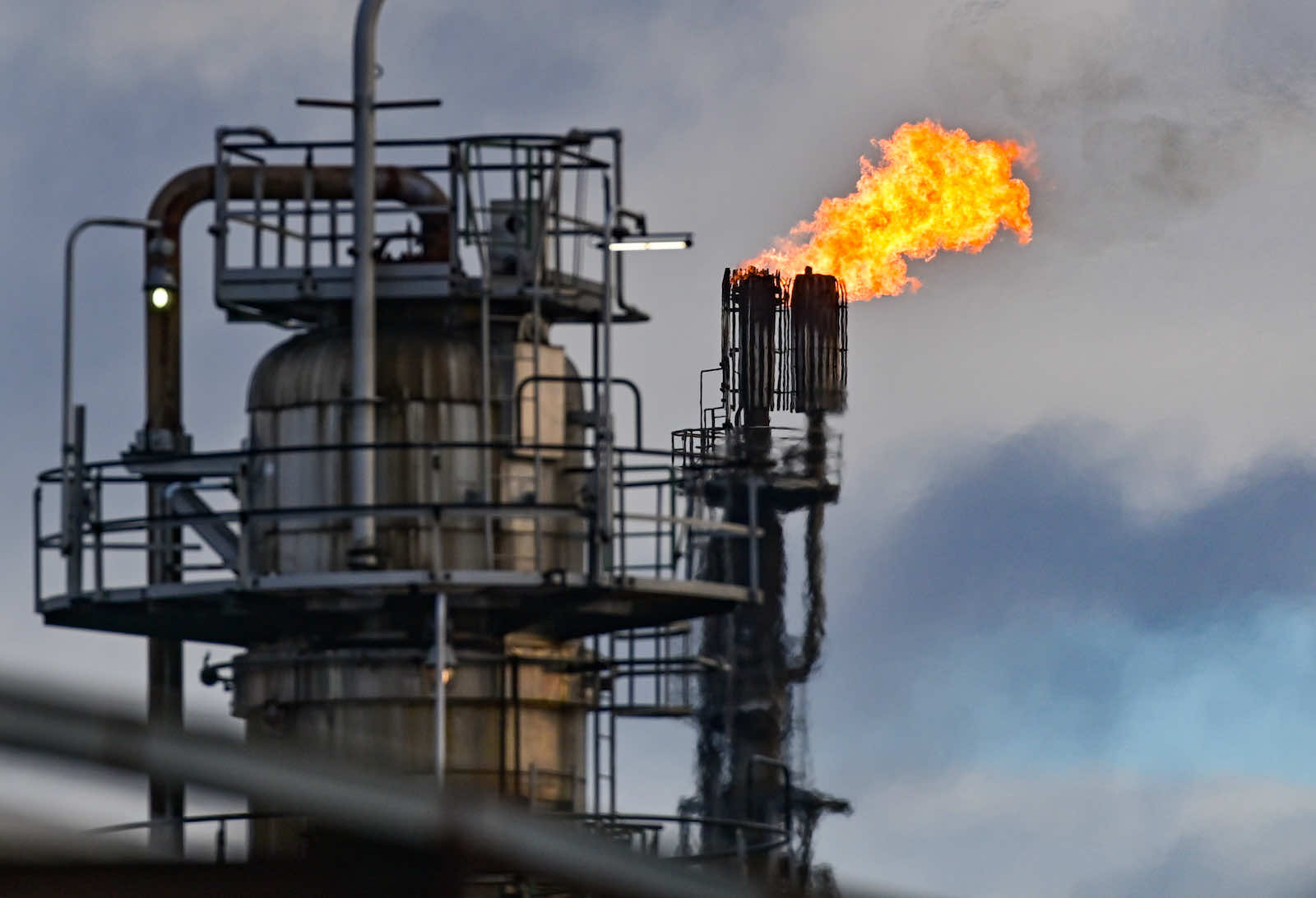
At the centre of this recurring crisis lies a persistent and uncomfortable truth: our continued dependence on fossil fuels, especially oil, remains a driver of global instability and conflict.
Recent political signals from the United States, including renewed rhetoric and policy direction associated with Donald Trump, have once again elevated oil, gas, and extractive energy as instruments of national power and economic dominance. Calls to “drill more,” secure oil supply chains, and prioritise fossil fuel expansion are not just climate regressions; they are geopolitical accelerants. They deepen competition over finite resources, intensify regional tensions, and raise the spectre of war.
This moment forces a hard question upon us: how many times must the world relearn the same lesson?
Fossil Fuels and the Architecture of Conflict
Oil has never been a neutral commodity. For over a century, it has shaped foreign policy, justified military interventions, destabilised regions, and entrenched authoritarian regimes. From the Middle East to Africa, from Latin America to Eastern Europe, fossil fuel extraction has too often gone hand-in-hand with violence, displacement, corruption, and ecological devastation.
What we are witnessing today is not new. It is the logical outcome of an energy system built on scarcity, control, and profit maximisation. When energy security is defined by access to oil reserves and shipping routes, militarisation becomes inevitable. When national economies depend on fossil rents, political leaders are incentivised to defend those interests at all costs, even if that cost is war.
The tragedy is not only that this path is dangerous, but that it is unnecessary.
The Road Not Taken: Renewable Energy as Peace Infrastructure
Imagine a different global energy order - one grounded in renewable energy systems such as wind, solar, geothermal, and green hydrogen, deployed at scale and owned democratically by communities and states alike. In such a world, energy is not hoarded or weaponised. It is abundant, decentralised, and locally rooted.
Renewable energy does not require invasion, it does not depend on contested borders, it does not demand permanent military presence. Had the global community seriously invested in renewable energy decades ago, particularly after repeated oil shocks and climate warnings, the current geopolitical landscape could look radically different. Countries would be less dependent on volatile fossil fuel markets. Regions would be less exposed to energy blackmail. And global politics would be less prone to escalation driven by extractive competition.
Renewable energy is not only a climate solution; it is a peace project.
Climate Crisis, Energy Crisis, and Moral Failure
To continue doubling down on fossil fuels in 2026 is not merely shortsighted, it is a moral failure. At a time when the climate crisis is already fuelling droughts, food insecurity, displacement, and economic collapse, choosing oil over renewables is choosing instability over sustainability, and violence over life.
For countries in the Global South, this choice is particularly costly. They face the compounded impacts of climate breakdown, debt distress, and geopolitical rivalry, often without having caused the crisis. Fossil-fuel-driven conflicts further divert global resources away from development, healthcare, education, and climate adaptation - toward arms, surveillance, and destruction. This is why energy justice must be understood as inseparable from peace and justice.
A Call for a Different Political Imagination
At Transformative Action, we believe that this moment demands more than analysis, it demands courage and political imagination.
We call for:
A rapid and just transition away from fossil fuels, led by public investment and accountable institutions
Massive scaling up of renewable energy systems that prioritise communities, workers, and ecological integrity
An end to the use of energy policy as a tool of militarisation and geopolitical coercion
Global cooperation rooted in solidarity, not extraction
The world does not need another oil boom.
It does not need another war justified by “energy security.”
It needs a decisive break from fossil-fuel logic that has failed humanity again and again.
History will judge this moment harshly if leaders choose oil over life, profit over peace, and power over people. The pathway to a safer, fairer, and more stable world is already visible, it runs through wind farms, solar rooftops, community grids, and cooperative energy futures. The question is no longer whether renewable energy can power the world. The question is whether we will allow fossil fuels to keep tearing it apart.