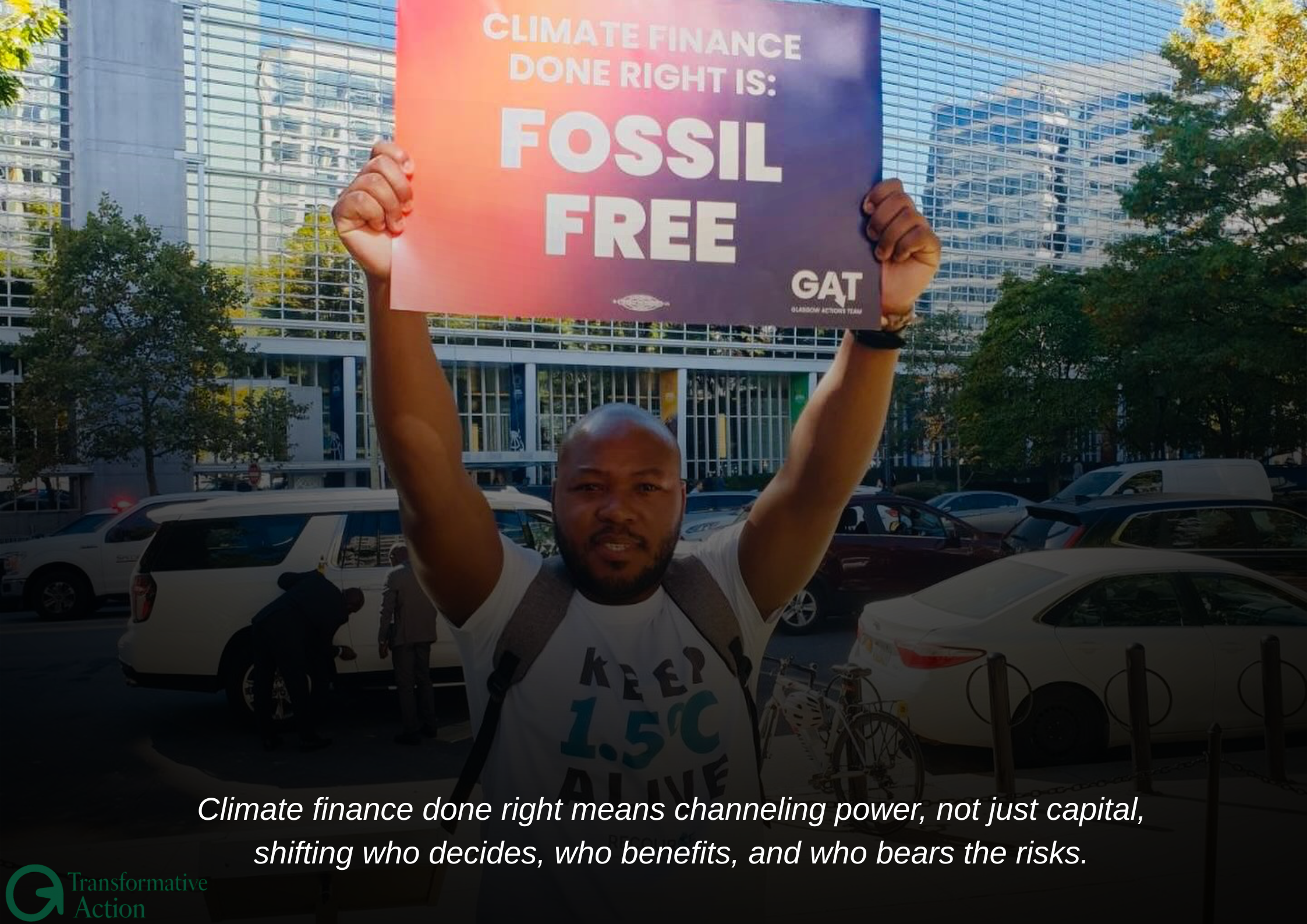

As the World Bank Group and IMF wrapped up their 2025 Annual Meetings in Washington, D.C., one thing was clear: the language of reform is evolving faster than the reforms themselves. From talk of “economic ecosystems” to renewed pledges on jobs, debt, and development, the meetings signalled both promise and paralysis, momentum wrapped in old machinery.
The Bank’s leadership stressed a move away from isolated project lending toward an “ecosystem” approach, investing in entire sectors that generate jobs, stimulate value chains, and create inclusive growth. On paper, that’s a welcome turn. Development should indeed be about enabling systems, not just funding sites.
Yet, the deeper question remains: who defines the ecosystem? If it’s still driven by global capital flows and consultant frameworks, we risk repackaging the same top-down models under new branding. The ecosystem must be locally rooted, in farmers, youth entrepreneurs, and communities building resilience from the ground up.
Debt sustainability again dominated the IMF corridors of conversation. The G20 and IFIs acknowledged what communities in the Global South already live daily: that rising interest rates and dollar dependence are squeezing public budgets. But beyond acknowledgement, little shifted structurally. There is no breakthrough on debt restructuring or transparent burden-sharing. For many developing economies, including across Africa, debt repayments continue to crowd out investment in climate resilience, healthcare, and education. The result: sustainability talk without fiscal space to act.
On climate finance, the silence was too loud:
While climate change is the defining development challenge of our time, several observers noted that the official agenda of the 2025 Annual Meetings was “notably quiet about climate.” Analysts at E3G, Bretton Woods Project, and others pointed out that, despite mounting climate crises, the institutions “failed to give climate the prominence it deserves within the core program.” Even feminist and Global South reflections remarked that “climate finance was framed as mobilising private capital, not justice, the issue of climate change was not on the menu.”
The IMF’s climate work was also described as “fragmented and uncertain,” with pressure from major shareholders slowing its integration into macroeconomic frameworks. The U.S. even declined to sign a joint statement by World Bank directors on the climate agenda ahead of the meetings, signalling how politically fragile climate consensus remains. Yes, some side events reaffirmed commitments to resilience and green growth, but there were no major announcements or financing breakthroughs on climate adaptation, loss-and-damage, or just energy transitions. Once again, the rhetoric of urgency met the reality of inertia.
For Africa and other emerging regions, the Bank’s new focus on jobs and ecosystems resonates deeply. Youth unemployment, fragile value chains, and uneven energy access remain persistent barriers. If implemented inclusively, this shift could align financing with real development needs. And local ownership is key, without community participation and transparent governance, “ecosystem” approaches risk becoming new technocratic silos. What the South needs is not just access to funds, but a say in how those funds are shaped, monitored, and measured.
Between Momentum and Mirage
The 2025 Annual Meetings were not without value, they offered signals, stories, and space for civil society to reassert accountability demands. If the Bank and Fund want to remain credible in a world on fire, climate cannot be treated as a sidebar to growth or debt management. It must become the spine of their mission, linking finance to justice, and reform to resilience.